




Introduction
Green Hell is a hardcore survival game set deep within the Amazon rainforest, where nature itself is the greatest enemy. Unlike many survival games that focus primarily on crafting and combat, Green Hell emphasizes realism, psychological pressure, and the constant struggle to meet basic human needs. Hunger, thirst, injuries, parasites, and mental health all interact to create an experience that feels unforgiving yet deeply immersive.
This guide is designed for players who want to go beyond basic survival and truly understand how Green Hell’s systems work together. From managing nutrients and injuries to building sustainable bases and navigating the jungle efficiently, these tips and strategies will help you survive longer, reduce frustration, and gain confidence in even the harshest conditions.
Understanding Survival Stats and Nutrients
Survival in Green Hell is governed by multiple interconnected stats rather than a single hunger bar. Players must balance carbohydrates, proteins, fats, and hydration to maintain stamina and health. Ignoring one nutrient may not kill you immediately, but it will slowly weaken your character and limit effectiveness.
Learning which foods provide which nutrients is essential. Fruits usually supply carbohydrates, nuts provide fats, and meat or fish supply protein. Eating only one type of food creates imbalance, so variety should always be the goal.
Monitoring your notebook regularly helps prevent mistakes. The body inspection system provides detailed feedback on injuries, parasites, and mental health. Players who neglect inspections often die without understanding why.
Early Game Priorities and First-Day Strategy
The first day in Green Hell determines how smoothly the rest of your playthrough will go. Securing clean water should be your highest priority, as dehydration sets in quickly and weakens stamina. Coconut shells and rain catchers provide early solutions before more advanced tools are available.
Shelter comes next. A basic leaf shelter protects against sanity loss and allows saving progress. Even a temporary shelter is better than sleeping on the ground, which accelerates mental deterioration.
Fire should be established early but used wisely. Fire provides warmth, cooked food, and safe water, but maintaining it requires constant attention and resources. Avoid lighting fires unless necessary to conserve energy and materials.
Mastering Food Sources and Sustainable Nutrition
Food scarcity is one of the biggest challenges in Green Hell. While the jungle looks abundant, not all food is safe or efficient. Learning to identify edible plants and animals reduces risk and improves survival consistency.
Hunting provides protein but consumes energy and tools. Fishing and trapping offer more reliable returns once established. Early traps can passively generate food while you focus on other tasks.
Cooking food properly improves nutrition and reduces disease risk. Raw meat may provide protein, but it increases the chance of parasites. Balancing cooked meals with safe plant foods keeps your character healthy and stable.
Injury, Disease, and Body Management
Injuries in Green Hell are detailed and dangerous. Cuts, lacerations, venom, infections, and parasites all require specific treatments. Applying the wrong treatment can worsen the condition rather than fix it.
Learning medicinal plants is crucial. Molineria treats wounds, tobacco removes parasites, and lily flowers neutralize venom. Keeping a small stock of medical plants at your base saves lives during emergencies.
Ignoring injuries is never an option. Even small wounds reduce sanity and stamina over time. Regular body inspections ensure problems are addressed before they become fatal.
Sanity and Psychological Survival
Sanity is one of Green Hell’s most punishing mechanics. Darkness, injuries, corpses, and poor sleep all reduce mental health. Low sanity causes hallucinations, which can disorient players and lead to fatal mistakes.
Maintaining sanity requires proactive habits. Sleeping in shelters, eating proper meals, and avoiding unnecessary danger all contribute to mental stability. Fires and safe environments also reduce stress.
Building a comfortable base isn’t just aesthetic—it’s functional. A stable living area dramatically improves long-term survival by reducing constant psychological pressure.
Base Building and Camp Optimization
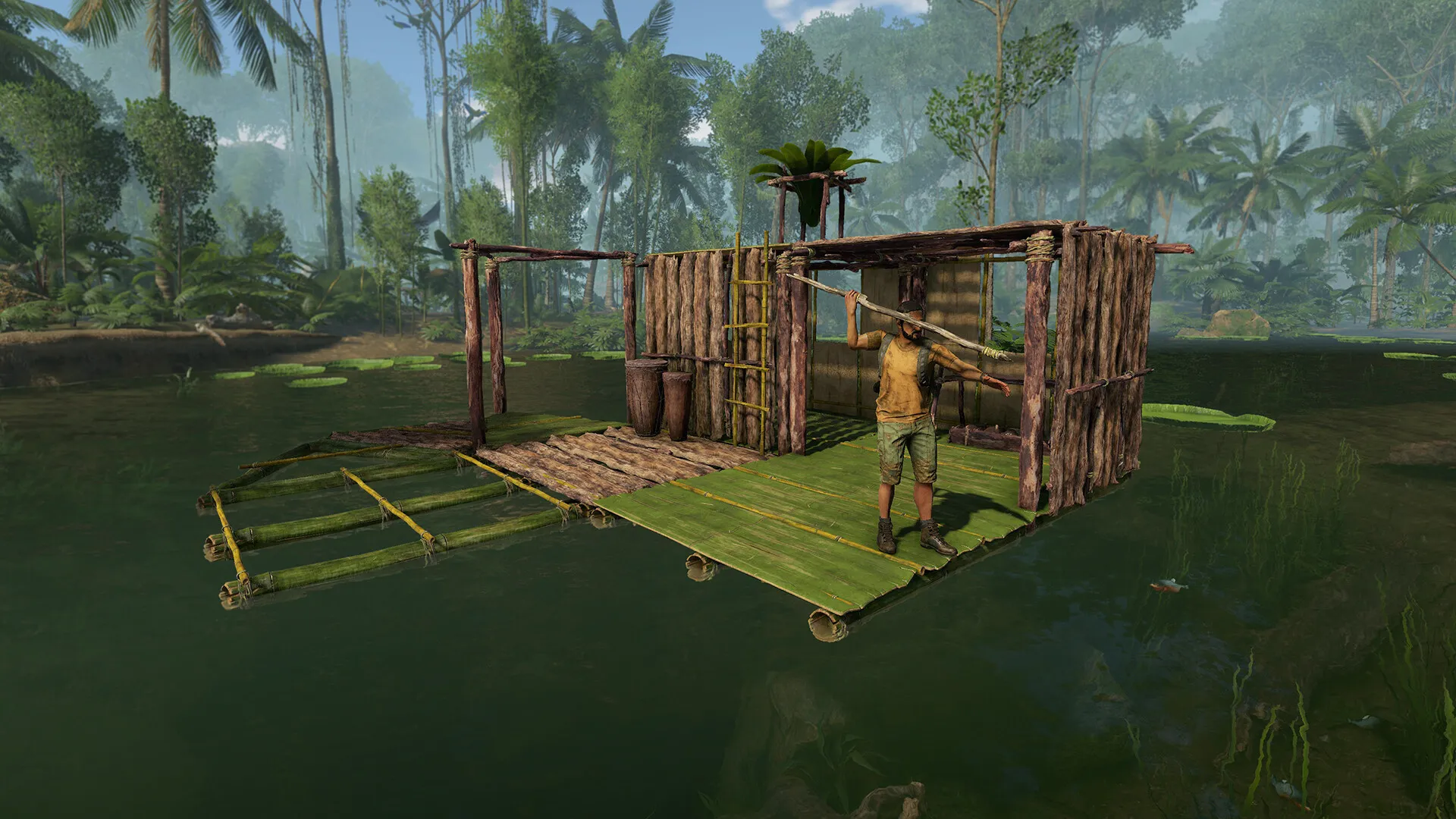
Choosing the right base location affects every aspect of survival. Proximity to water, food, and medicinal plants reduces travel time and energy consumption. Avoid predator-heavy areas early on.
Base layouts should prioritize efficiency. Storage racks, drying racks, and crafting stations should be placed close together to minimize movement. Expanding slowly prevents resource waste.
As your base grows, sustainability becomes the focus. Rain collectors, traps, and farms reduce reliance on constant exploration and allow longer survival periods with less risk.
Navigation and Jungle Exploration
The jungle in Green Hell is intentionally disorienting. Landmarks look similar, and getting lost is easy. Using natural markers, trails, and landmarks helps maintain orientation.
Mapping areas mentally or with in-game tools reduces panic during long expeditions. Always plan return routes before venturing far from base, especially when injured or low on supplies.
Exploration should be deliberate, not rushed. Overconfidence leads to exhaustion, injury, and death. Careful pacing ensures safer discoveries and consistent progress.
Combat and Predator Avoidance
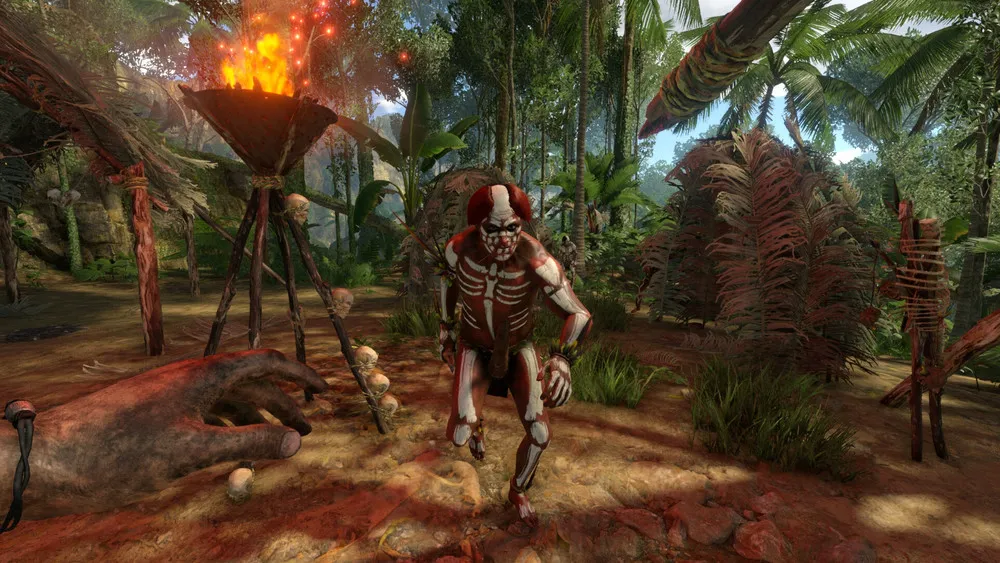
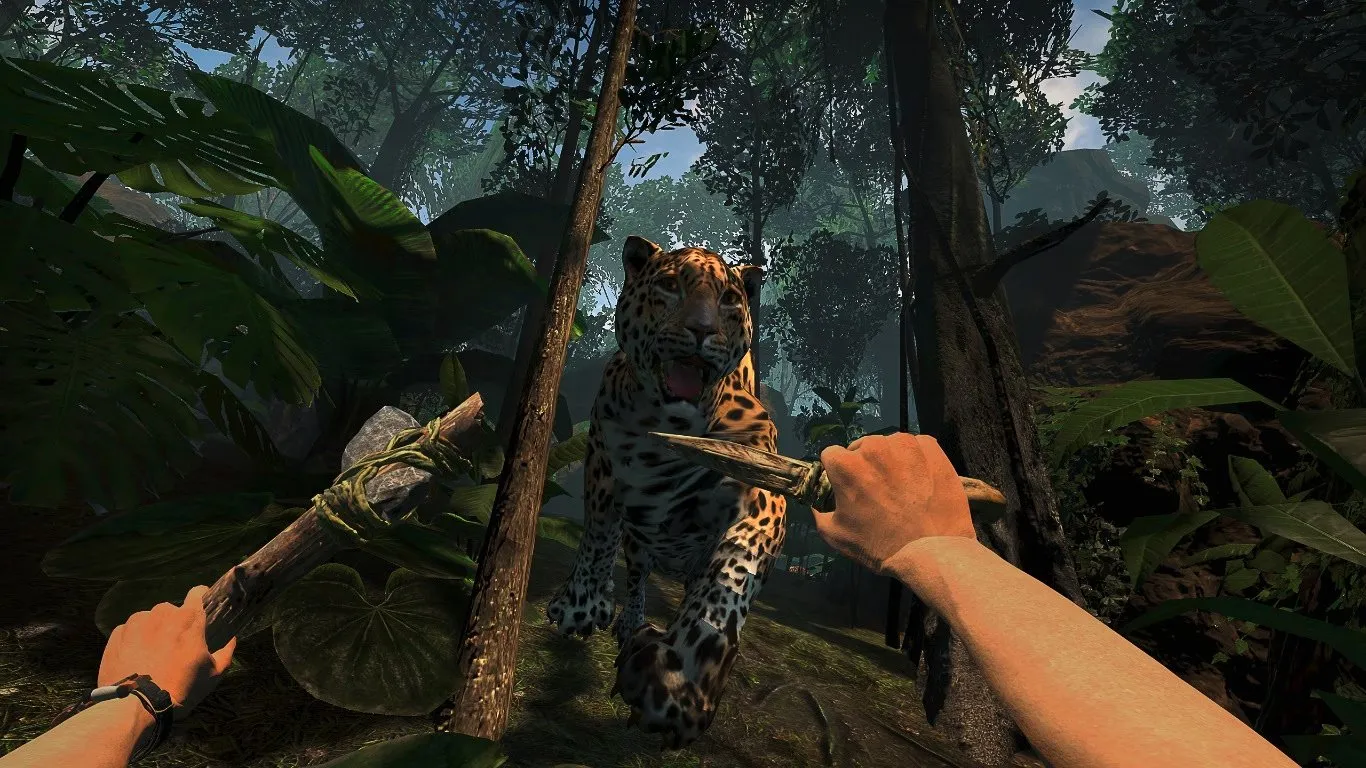
Combat in Green Hell is dangerous and should be avoided whenever possible. Predators like jaguars and tribesmen can kill quickly, especially when players are injured or exhausted.
Understanding animal behavior helps avoid fights. Most predators can be scared away with fire or avoided by listening carefully. Running blindly often leads to worse outcomes.
When combat is unavoidable, preparation matters. Spears, bows, and traps provide safer alternatives to close-range fights. Healing supplies should always be ready before engaging threats.
Crafting Progression and Tool Efficiency
Crafting in Green Hell follows a logic-based system rather than a strict tech tree. Experimentation is encouraged, but wasting materials early can slow progression significantly.
Prioritize tools that improve efficiency. Better blades, containers, and harvesting tools reduce energy usage and increase yields. Investing in quality tools pays off long-term.
As crafting options expand, specialization becomes useful. Focus on tools that support your playstyle, whether exploration-heavy or base-centered survival.
Long-Term Survival and Advanced Strategies
Late-game survival in Green Hell is about stability rather than expansion. Efficient food systems, medical preparation, and energy management keep risks low.
Establishing multiple small camps allows safe exploration across large areas. These outposts act as recovery points during long journeys.
Mastery comes from patience. Green Hell rewards cautious planning, observation, and adaptation rather than speed or aggression.
Conclusion
Green Hell is a survival experience that demands respect for nature and attention to detail. Its complex systems create tension, but they also reward thoughtful play and careful planning. Every decision matters, from what you eat to where you sleep.
By mastering nutrition, injuries, sanity, and base building, players can turn the hostile jungle into a manageable environment. With these tips and guides, survival becomes less about luck and more about knowledge and preparation.
160-Character Summary
A complete Green Hell guide covering survival stats, food, injuries, sanity, base building, combat avoidance, and long-term jungle survival strategies.