Lorn’s Lure: A Complete Beginner’s Guide to Exploration, Climbing, and Precision Platforming
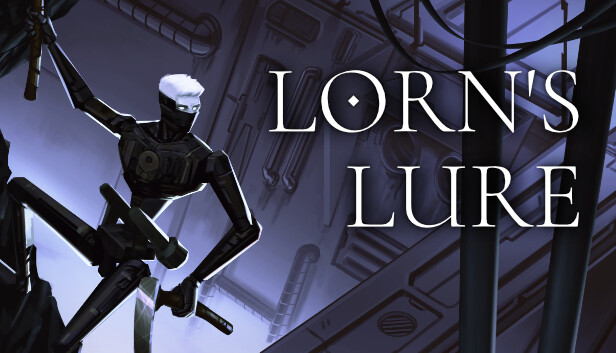
Lorn’s Lure is an atmospheric first-person platformer that combines surreal exploration, challenging movement mechanics, environmental storytelling, and retro-inspired visuals. Developed by Rubeki Games, the game places you in control of an android following a mysterious visual glitch into a colossal structure hidden from his home colony. With no easy way back, your journey becomes a tense descent through enormous industrial spaces, abandoned environments, and increasingly demanding platforming challenges.
Unlike traditional action games, Lorn’s Lure does not focus on combat or collecting powerful equipment. Its main challenge comes from understanding the environment, planning routes, mastering climbing tools, and making precise jumps across dangerous gaps. The game can feel confusing at first because its levels are intentionally large and disorienting, but learning how to read the world makes exploration much more enjoyable.
This guide explains how to get started in Lorn’s Lure, how to improve your movement, how to use climbing axes effectively, how to navigate difficult areas, and how to approach the game’s later challenges without becoming overwhelmed.
1. Understand What Lorn’s Lure Is Before You Begin
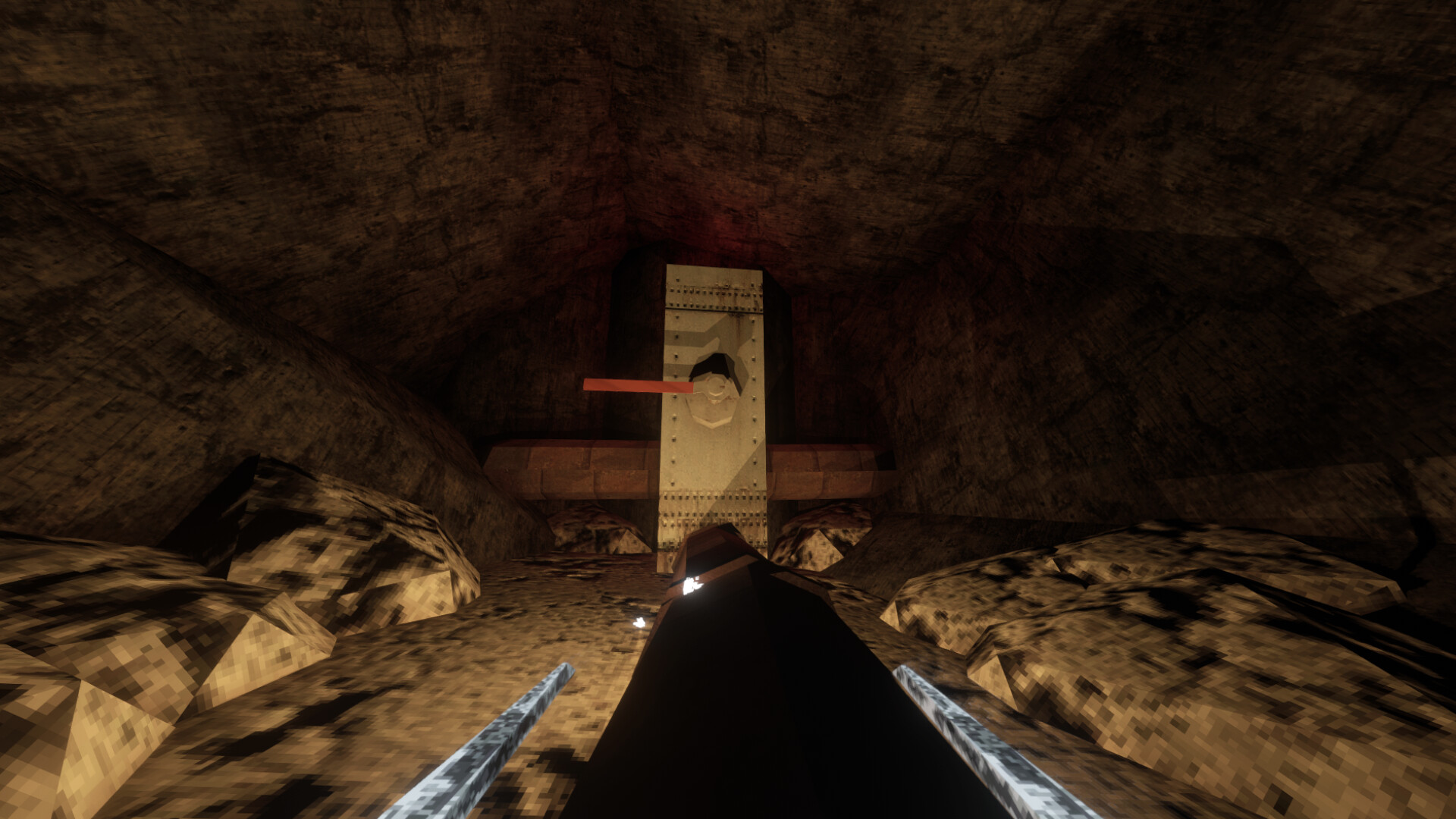
The first thing to understand about Lorn’s Lure is that it is primarily a precision platformer rather than a traditional horror game or combat-focused adventure. Although the atmosphere can be unsettling and some sections include horror elements, the main gameplay revolves around climbing, jumping, scanning the environment, and finding a route through enormous structures. The game’s official description emphasizes its “climb-anything” mechanics, retro 3D presentation, and narrative exploration.
This distinction is important because players who expect constant combat, weapon upgrades, or conventional mission markers may initially feel uncertain about what to do. Lorn’s Lure asks you to observe your surroundings and interpret the level design. Progress often comes from recognizing a possible route rather than defeating an enemy or completing a clearly marked objective.
Prepare for a Slow and Deliberate Experience
Although some sections encourage fast movement and speedrunning, the safest approach for beginners is to explore slowly. Look at the structures around you, identify climbable surfaces, and determine where the next stable landing point might be before moving.
You should also expect to fall frequently. Falling is part of the learning process, and the game is designed around repeated attempts. Instead of treating every death as a failure, use it to understand jump distances, movement timing, and the limits of your climbing abilities.
What You Should Expect
Lorn’s Lure includes:
- First-person platforming.
- Large vertical environments.
- Climbing with pickaxes.
- Wall-running and advanced movement techniques.
- Environmental puzzles and route-finding.
- Atmospheric exploration.
- Hidden collectibles and optional discoveries.
- Retro-inspired graphics and unsettling sound design.
- A challenging but forgiving checkpoint structure.
Once you understand that movement itself is the main puzzle, the game’s design becomes much easier to appreciate.
2. Learn Basic Movement Before Attempting Difficult Routes
The early sections of Lorn’s Lure are designed to teach you how to move through the environment. Before trying complicated jumps, spend time becoming comfortable with walking, sprinting, jumping, crouching, sliding, and adjusting your camera while moving. These actions may appear simple, but combining them smoothly is essential for later platforming sequences.
The game’s environments are often much larger than they first appear. A platform that looks close may require a running jump, while a seemingly unreachable surface may become accessible by approaching it from a different angle. Instead of immediately attempting a jump, move around the area and inspect the surrounding geometry.
Use Your Camera as a Navigation Tool
In a first-person platformer, the camera is more than a way to look around. It helps you judge distances, locate landing surfaces, and identify possible routes. Before jumping, move the camera to examine the space below and above you.
Try to answer these questions:
- Where will I land if I miss the target?
- Is there a lower platform that can save me?
- Can I reach the next surface from the side?
- Is the wall ahead climbable?
- Is the apparent path actually a dead end?
Many mistakes happen because players focus only on the next platform rather than the entire route. Look several steps ahead whenever possible.
Practice Short Jumps First
Do not begin by attempting the largest gap in an area. Practice short jumps until you understand how momentum and camera direction affect your movement. Learn how far you can travel from a standing position and how much distance you gain from sprinting.
Once basic jumps become consistent, you can start combining them with climbing, wall-running, and other abilities.
3. Use the Climbing Axes to Read and Control Vertical Spaces
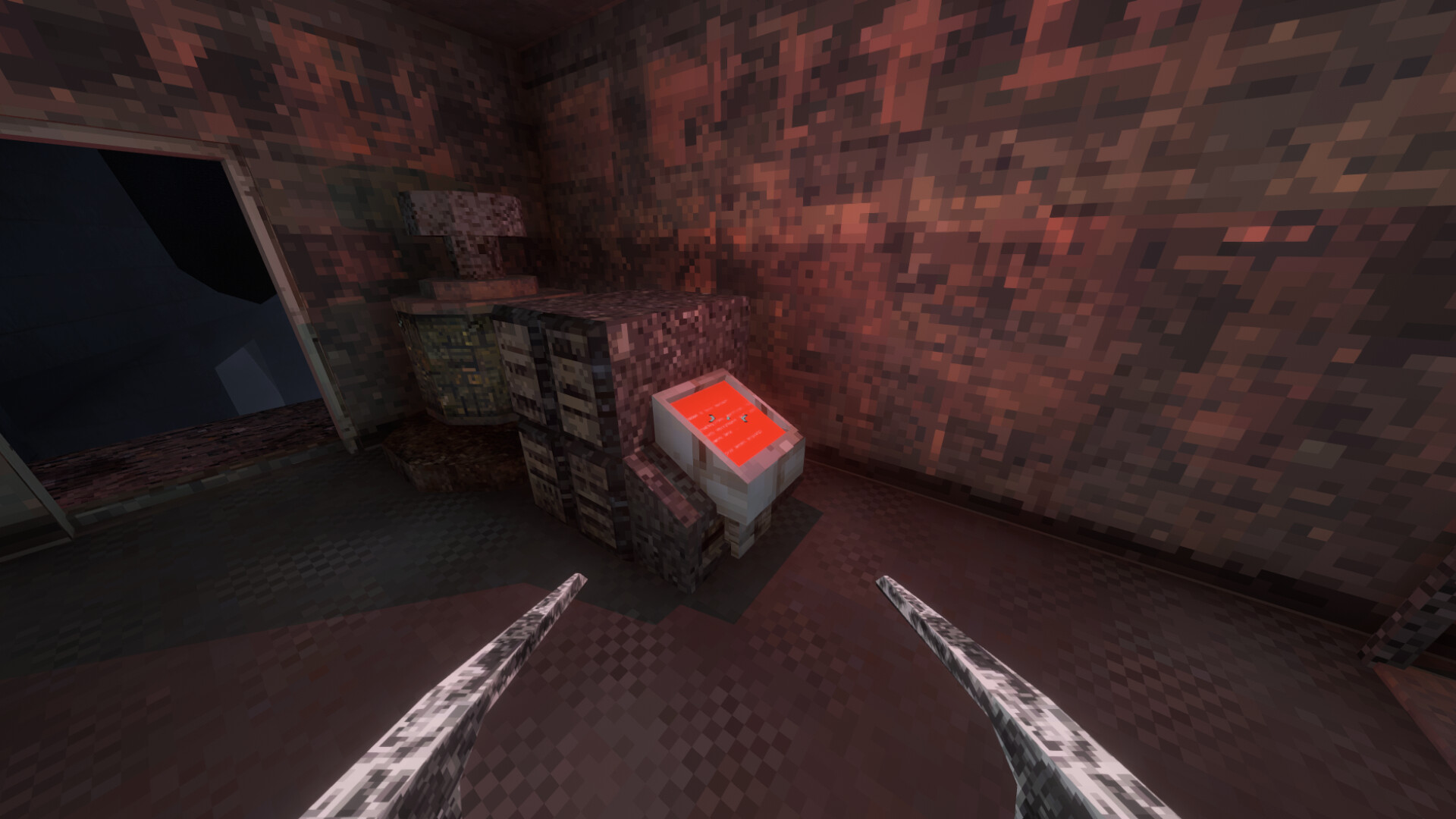
The climbing axes are the central mechanic of Lorn’s Lure. After obtaining them, the android can climb many vertical surfaces instead of being limited to traditional platforming ledges. This changes how you interpret the environment because walls, towers, pipes, and industrial structures may all become part of the route.
Climbing is not simply a method of moving upward. It is also a way to reposition yourself, recover from mistakes, reach hidden areas, and approach jumps from unusual angles. A wall that appears decorative may actually be the key to reaching a higher platform.
Watch Your Stamina
Climbing is limited by stamina, so you cannot remain on a wall indefinitely. Before starting a long ascent, inspect the surface and identify possible resting points. If you climb without a plan, you may run out of stamina before reaching a safe platform.
A good climbing routine is:
- Identify the destination.
- Check for intermediate ledges.
- Begin climbing from a stable position.
- Monitor your stamina regularly.
- Look for safe landing points before jumping away.
- Avoid using all your stamina unless you know where you will land.
Use Climbing to Correct Your Position
You do not always need to climb directly toward the highest point. Sometimes it is better to move sideways, descend slightly, or reposition yourself before attempting the next jump. Think of climbing surfaces as flexible routes rather than simple ladders.
If a jump feels impossible, look for a nearby wall that can help you approach it from a different direction. Many difficult sections become manageable when you stop following the obvious route and begin using the entire environment.
4. Learn How to Plan Routes Through Massive Structures
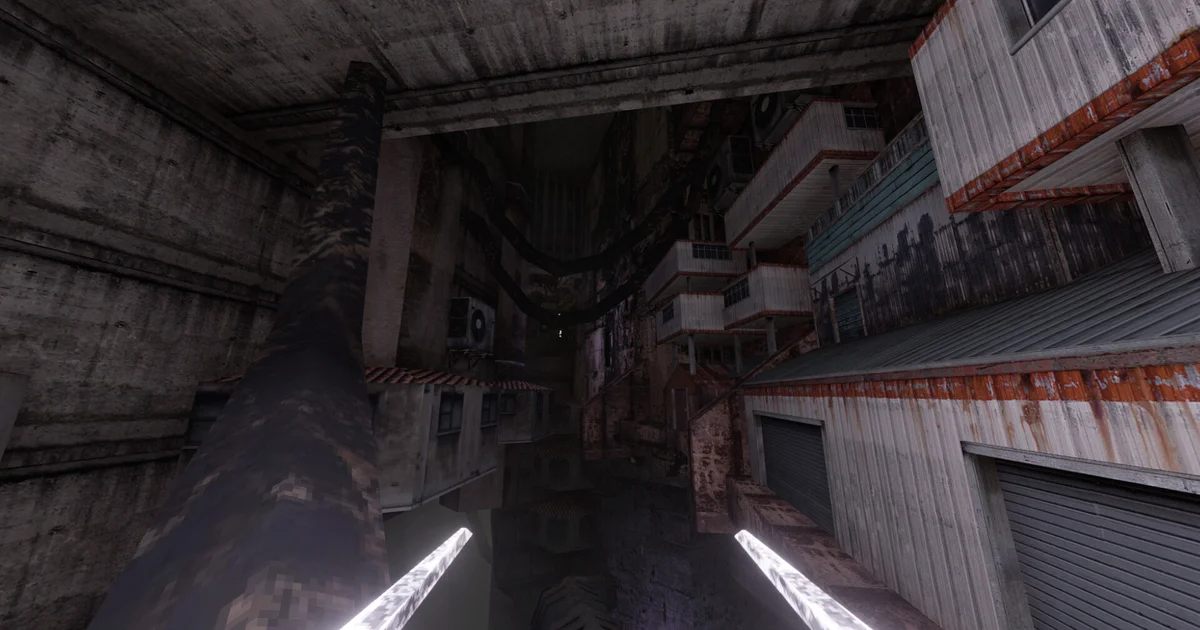
One of the biggest challenges in Lorn’s Lure is navigation. The game features enormous environments filled with industrial machinery, cables, pipes, towers, cliffs, and deep vertical spaces. Because many surfaces look similar, it is easy to lose your sense of direction or spend too long exploring an area that does not lead toward your objective.
The game intentionally gives players freedom to search for their own routes. However, this freedom can become confusing if you move without a plan. Before committing to a long climb or jump, try to identify a recognizable landmark that confirms you are moving in the right direction.
Identify Landmarks
Useful landmarks may include:
- Large towers.
- Distinctive pipes.
- Bright lights.
- Unusual machinery.
- Open doorways.
- Large gaps or bridges.
- Contrasting colors or textures.
- Unique architectural shapes.
When you reach a new area, pause briefly and look around. Decide which structures appear connected and which ones seem isolated. This simple habit can prevent you from repeatedly returning to the same location.
Break Large Routes Into Smaller Goals
Instead of thinking, “I need to reach the top of this entire structure,” divide the route into smaller objectives:
- Reach the next visible platform.
- Climb to the upper pipe.
- Cross the narrow bridge.
- Find a safe landing point.
- Locate the next major landmark.
This makes complex areas feel less overwhelming and allows you to measure progress more easily.
Use Waypoint Assistance When Necessary
Lorn’s Lure includes an optional waypoint system that can help highlight the critical path. Some players prefer discovering every route independently, while others use waypoints to avoid becoming lost for too long. The waypoint system is particularly useful when the environment is so large that several routes appear equally plausible.
Using assistance does not diminish the experience. You can use it only when you have explored an area thoroughly and cannot determine where the main path continues.
5. Master Jump Timing and Landing Precision
Jumping is one of the most important skills in Lorn’s Lure. The game frequently asks you to land on narrow platforms, pipes, beams, and irregular surfaces. A jump that looks simple may require careful control over speed, direction, and camera positioning.
The most common beginner mistake is jumping too early. Players often see a target and immediately press the jump button without considering the distance or their current momentum. Before jumping, make sure you are positioned correctly and have enough space to build speed if necessary.
Use Running Jumps for Longer Gaps
Running jumps provide more distance than standing jumps, but they also require more preparation. Make sure the surface behind you is long enough to build momentum and that your approach does not force you toward an obstacle.
A reliable process is:
- Stand still and study the gap.
- Identify the center of the landing area.
- Move backward if you need more running space.
- Sprint toward the edge.
- Jump while maintaining your intended direction.
- Adjust your camera carefully during the flight.
Aim for Stable Landing Zones
When a platform is narrow, aim for its center rather than its edge. Landing near the edge may cause the character to slide or fall, especially if the surface is angled.
If the target is very small, consider whether you can approach it from above, below, or from the side. You may not need to land directly on it from your current position.
Do Not Panic During a Missed Jump
Lorn’s Lure often gives you opportunities to recover from mistakes. If you miss a platform, look for a nearby wall or lower surface that can stop your fall. The climbing axes may allow you to grab a wall and avoid a complete reset.
React quickly, but do not move randomly. A controlled recovery attempt is often more successful than pressing every movement input at once.
6. Practice Advanced Movement Techniques Step by Step
As you progress, Lorn’s Lure introduces additional movement mechanics that expand your options. These may include wall-running, wall kicks, sliding, grappling or grabbing tools, and other techniques that require more precise timing. Advanced movement can initially feel awkward, but mastering it is one of the most rewarding parts of the game.
Do not attempt to learn every technique during a difficult sequence. Practice each ability in a safe environment first. Understand what activates it, how much momentum it requires, and what surfaces it can interact with.
Learn Wall-Running Carefully
Wall-running allows you to travel across certain vertical surfaces while maintaining momentum. It is useful for crossing gaps, reaching distant platforms, and connecting multiple movement actions.
When practicing wall-running:
- Approach the wall at a suitable angle.
- Maintain enough speed before contact.
- Keep your camera aligned with the intended direction.
- Look for the next landing point before the movement ends.
- Avoid beginning the technique without a recovery option.
Understand Wall Kicks and Direction Changes
Wall kicks can help you push away from a surface and reach another platform. The challenge is coordinating the camera with your movement direction. If you look away from the target at the wrong moment, you may launch yourself into empty space.
Practice short wall-kick sequences before attempting long chains. Learn how much horizontal distance you gain and how quickly you can redirect your character.
Combine Abilities Instead of Using Them Separately
Later platforming challenges often require combinations of movement tools. You may need to jump toward a wall, climb briefly, push away from the surface, and land on a narrow platform.
The best way to prepare is to practice individual actions until they become automatic. Once each mechanic feels familiar, combining them becomes less stressful.
7. Use the Environment to Solve Puzzles and Discover Hidden Paths
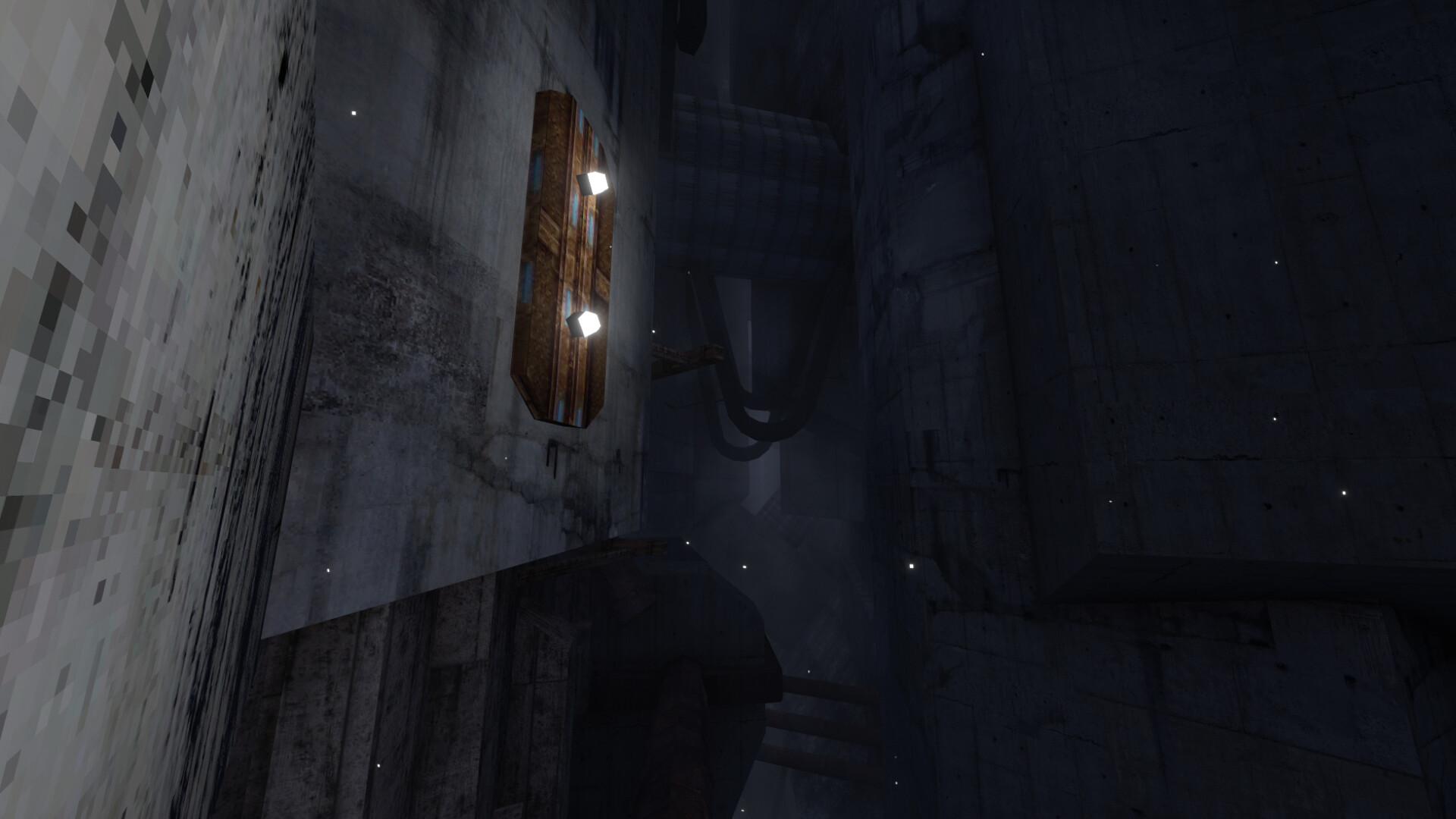
Lorn’s Lure’s puzzles are often integrated into the environment rather than presented as traditional logic challenges. The solution may involve recognizing a climbable wall, identifying an unusual opening, finding a route around a structure, or understanding how different platforms connect.
The game encourages players to experiment with movement and inspect areas from multiple angles. A route that appears blocked from the ground may become obvious after climbing a nearby wall or reaching a higher viewpoint.
Look Beyond the Obvious Path
If you cannot find a way forward, avoid repeatedly attempting the same jump. Instead, ask whether the level expects you to approach the problem differently.
Try:
- Looking behind large structures.
- Checking the area above the current platform.
- Searching for climbable surfaces.
- Moving around the room to change your viewpoint.
- Examining distant lights or unusual shapes.
- Returning to an earlier area from a different direction.
Pay Attention to Visual Storytelling
The game communicates much of its atmosphere and narrative through architecture, environmental details, and isolated scenes. Notes and written clues may provide additional information, but the physical world often creates the strongest impression.
Take time to examine abandoned machinery, strange structures, and objects that appear deliberately placed. These details can make the world feel more meaningful and may also reveal optional discoveries.
Do Not Assume Every Interesting Area Is Mandatory
Lorn’s Lure contains spaces that may be optional or designed primarily for atmosphere and exploration. If you find a fascinating structure that does not appear to lead toward progress, decide whether you want to investigate it for curiosity or return to the main route.
Exploration is valuable, but spending too long in a dead end can become frustrating. Use landmarks and waypoint assistance to maintain a balance between discovery and progression.
8. Manage Fear, Disorientation, and Difficult Sections
Lorn’s Lure uses scale, darkness, fog, sound, and isolation to create tension. Some areas are designed to make you feel small compared with the surrounding structure. Narrow platforms above deep drops and dark tunnels can make even simple movement feel dangerous.
This atmosphere can affect your decision-making. Players may rush because they feel uncomfortable, or they may hesitate so long that they lose track of the intended route. Try to separate the emotional pressure of the environment from the mechanical challenge in front of you.
Slow Down in High-Risk Areas
When the environment becomes dark or visually confusing, reduce your movement speed. Look for stable surfaces and avoid making unnecessary jumps. If you are unsure whether a platform is safe, inspect it before committing.
You can also use sound cues to understand your surroundings. Wind, echoes, machinery, and movement sounds contribute to the sense of space and may help you recognize whether you are near an open area or enclosed passage.
Take Breaks After Repeated Failures
Precision platforming can become mentally tiring. After several failed attempts, your reactions may become less consistent, and you may begin repeating the same mistake.
If a section is frustrating you, take a short break or return to it later. A fresh attempt often feels easier because you approach the problem with less tension.
Treat Failure as Information
After falling, ask what caused the mistake:
- Did you jump too early?
- Did you misjudge the distance?
- Did you use too much stamina?
- Did you approach from the wrong angle?
- Did you fail to identify a safer route?
- Did you lose control of the camera?
This approach turns repeated deaths into practical lessons.
9. Explore Collectibles and Optional Challenges Without Losing Progress
Players who enjoy completionist gameplay will find additional reasons to explore Lorn’s Lure. Optional discoveries, hidden areas, achievements, and challenging routes encourage you to revisit locations and test your movement skills.
However, searching for every collectible during your first playthrough may slow your progress considerably. Some hidden items are placed in difficult or risky locations that require advanced movement techniques. If you attempt them before understanding the mechanics, you may become frustrated unnecessarily.
Prioritize Main Progress First
A useful approach is to complete the main route through an area before returning to investigate optional locations. This ensures that you understand the level’s structure and have a better idea of where you have already been.
After completing a section, you can revisit areas with a clearer understanding of:
- Which routes are mandatory.
- Which platforms are accessible.
- Where hidden spaces may be located.
- Which movement abilities are required.
- Which areas you previously ignored.
Keep Track of Unreachable Areas
If you notice a collectible or unusual location that you cannot reach, remember where it is. You may gain a new movement ability later that makes the route possible.
Do not assume that every inaccessible area must be solved immediately. Some challenges are designed to test abilities that become more useful later in the game.
Use External Guides Selectively
A walkthrough can be helpful when you are completely stuck, but using it for every movement sequence may reduce the satisfaction of solving the game independently. Consider checking a guide only after you have explored the area and tested several possible routes.
For achievement hunting, external guides can be more practical because they help identify requirements and prevent missed opportunities.
10. Prepare for the Final Challenges and Improve Your Long-Term Skills
The later stages of Lorn’s Lure place greater demands on movement precision, route recognition, and reaction speed. By this point, the game expects you to combine climbing, jumping, wall-running, and other abilities without needing extensive instructions.
Some players may notice a significant increase in difficulty during the final sections, particularly when platforming becomes more frantic or timed. Community discussions and reviews have mentioned that later challenges can feel substantially more demanding than earlier areas.
The best preparation is not simply memorizing one route. Instead, develop movement habits that remain useful across different environments.
Build Consistent Movement Habits
Focus on the following skills:
- Checking landing zones before jumping.
- Preserving stamina during long climbs.
- Maintaining camera control during advanced movement.
- Recognizing safe recovery surfaces.
- Using momentum deliberately.
- Identifying landmarks in large environments.
- Remaining calm during timed sequences.
Consistency matters more than speed. A slower player who lands safely and manages stamina can often progress farther than someone who moves quickly but repeatedly takes unnecessary risks.
Practice Speed Only After Learning the Route
Lorn’s Lure supports both careful exploration and faster movement. Once you understand an area, you can begin optimizing your route by reducing unnecessary pauses, using advanced movement, and chaining actions together.
However, speed should come after familiarity. Attempting to move quickly before understanding the environment often leads to missed jumps and repeated deaths.
Consider Full Run and Replay Challenges
After completing the main experience, players interested in mastery may want to revisit the game for faster runs, achievements, or movement challenges. Replayability comes from improving execution and discovering routes that were previously difficult.
A replay can feel completely different once the controls become natural. Areas that once seemed intimidating may become opportunities to practice momentum, shortcuts, and advanced techniques.
Conclusion
Learning how to play Lorn’s Lure effectively is mainly about developing patience, spatial awareness, and confidence with movement. The game does not rely on traditional combat progression or powerful equipment. Instead, it challenges you to understand enormous environments, identify routes, manage stamina, and master a growing collection of platforming mechanics.
Start by learning basic movement and camera control before attempting difficult jumps. Once you obtain the climbing axes, experiment with vertical routes and use stamina carefully. Study the environment, recognize landmarks, and break large objectives into smaller steps. When advanced abilities appear, practice them individually before combining them in complex sequences.
Do not be discouraged by falling or getting lost. Lorn’s Lure is built around experimentation, and many of its most satisfying moments come from finally solving a route that initially seemed impossible. Explore at your own pace, use waypoint assistance when necessary, and return to optional challenges after becoming more comfortable with the mechanics.
With practice, the game’s massive structures stop feeling like confusing obstacles and begin to feel like intricate movement puzzles waiting to be solved.