





Introduction
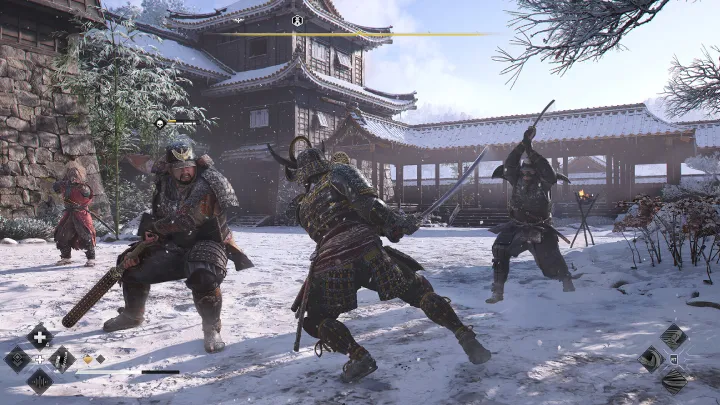
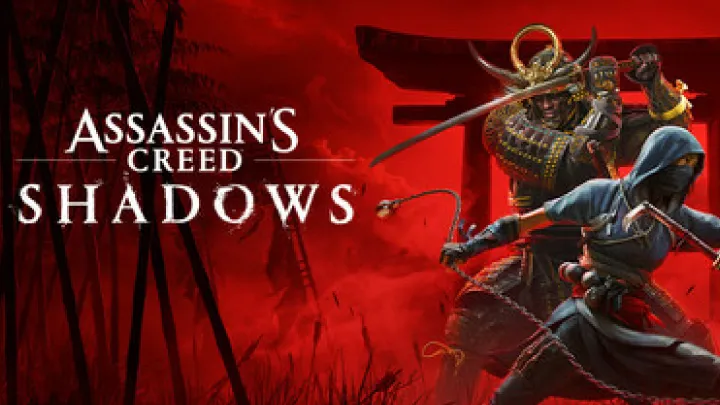
Assassin's Creed Shadows has taken the gaming world by storm, capturing the imaginations of players with its thrilling gameplay, rich narrative, and meticulous attention to historical detail. However, amidst the excitement, a compelling issue persists: the ethical implications of historical revisionism within the game. As players explore various historical events through the eyes of Assassins and Templars, they are not just participating in an engaging action-adventure; they are also confronting the distortion of historical narratives. This article will delve deep into how Assassin’s Creed Shadows navigates the delicate balance between entertainment and the responsibility of representing history, investigating the nuanced portrayals of events and figures that challenge the player’s perception of moral choices.
The Foundation of Historical Revisionism
Understanding Historical Revisionism
Historical revisionism refers to the re-examination of historical records, which often involves challenging established narratives in light of new evidence or interpretations. While this practice is fundamental to academia, as it enriches our understanding of the past, it raises ethical questions when applied to popular narratives, such as video games. Assassin's Creed Shadows exemplifies this tension, offering a reimagined historical landscape that both educates and entertains.
The Role of Historical Context in the Game
In Shadows, players are thrust into various pivotal moments in history, from the intrigue of the Renaissance to the upheaval of the French Revolution. The architects of these moments are reinterpreted as either assailants or defenders of freedom, creating a playground where players must navigate conflicting ideologies. This portrayal may provoke discussions about the morality of historical figures and events, but it also risks oversimplifying complex narratives into a binary of good and evil.
Characterizations and Their Ethical Dilemmas
The Portrayal of Key Figures
The game features significant historical figures, such as guild leaders, monarchs, and revolutionaries, who have long been subjects of historical scrutiny. Through the lens of the Assassins and Templars, these characters are often depicted in shades of gray. For instance, a player might encounter a version of Napoleon Bonaparte that emphasizes his ambition and ruthlessness, providing players with a perspective that can glamorize tyranny.
The Dilemma of Morality
Characters in Shadows force players to confront moral dilemmas that reflect current ethical debates. Should players associate with characters like Napoleon, anchored in ambition, or fight against him, recognizing the horrors that may arise from unchecked power? These decisions resonate beyond mere gameplay; they engage players in active ethical reasoning, challenging them to question not only the historical figures they encounter but also the modern implications of their choices.
The Impact of Player Agency on Historical Narratives
Making Choices That Matter
One of the hallmarks of Assassin's Creed Shadows is the emphasis on player agency. Decisions made throughout the game carry significant weight, influencing the outcomes of battles and relationships with historical figures. This feature allows gamers to explore alternate histories while engaging with the historical framework laid out by the developers.
Repercussions of Historical Alterations
These decisions, however, prompt questions about historical integrity. When players rewrite events—whether directly or indirectly—through strategic choices, they risk perpetuating a distorted narrative. The freedom to alter history can lead to misunderstandings about the nature of the real events, underscoring the conflict between storytelling and historical accuracy.
Intertwining Fiction and Reality: The Challenge of Representation
Blurring the Lines of Fiction and History
Assassin's Creed Shadows is a masterclass in blending historical events with fictional narratives. While the game incorporates factual elements, it constructs its own mythology around the Assassin-Templar conflict. This delicate mix invites players to engage deeply with the story while simultaneously facing the potential pitfalls of blurring lines between fiction and reality.
Consequences for Player Understanding
As players immerse themselves in the game, the seamless intertwining of fact and fiction leads to a nuanced understanding of history. However, this can also lead to misconceptions. For some players, the portrayal of events like the French Revolution may become synonymous with the exaggerated depictions in the game, overshadowing the complexities of the actual historical events. This interaction calls into question the ethical considerations of portraying real history for entertainment.
Narrative Techniques in Shadows
Crafting Engaging Storylines
The narrative techniques employed in Assassin's Creed Shadows play a critical role in shaping players’ perceptions of history. By using multiple viewpoints, including those of Assassins and Templars, the game weaves a rich tapestry of interconnected stories that profoundly impacts player engagement.
The Effectiveness of Dual Narratives
The dual narratives allow players to explore events from contrasting perspectives, enriching their understanding of the ethical gray areas inherent in each character’s motivations. For instance, engaging with the Templars may illuminate their vision for order and stability, thereby humanizing a faction often portrayed solely as antagonists. This approach fosters a deeper appreciation of narrative complexity, but it also raises questions about whose truth is being presented and validated.
The Role of Cultural Sensitivity
Acknowledging Historical Contexts
Historical figures and events portrayed in Assassin's Creed Shadows often involve complex cultural dynamics. The game strives to honor the intricacies of various cultures while navigating the treacherous waters of representation. However, this commitment to cultural sensitivity is continually tested by the need for dramatic storytelling.
The Dangers of Cultural Appropriation
Despite attempts at sensitivity, some representations can veer into cultural appropriation. For example, the game's depiction of Eastern philosophies or Western colonization narratives may inadvertently strip away the agency of the cultures represented. Players may find themselves grappling with the ethical ramifications of these portrayals, leading to a complex discourse on representation in gaming.
Community Reactions and Critiques
Fan Discourse
The blending of history and fiction in Assassin's Creed Shadows has incited varied reactions within the gaming community. Players and historians alike engage in discussions that critique or celebrate the game’s approach to historical narratives. Some celebrate the game’s audacity in reimagining pivotal moments, while others caution against the potential for misrepresentation.
Academic Perspectives
The academic community has also taken notice, with scholars examining how games like Shadows reflect and refract historical narratives. Critiques often center around the game’s fidelity to historical accuracy and the ethical implications of presenting a skewed version of events. These discussions contribute to a growing body of literature that scrutinizes video games as significant cultural artifacts—with the power to shape perceptions of history.
Balancing Entertainment and Education
The Need for Responsibility
Assassin's Creed Shadows walks a fine line between entertainment and education. While providing an engaging gameplay experience, developers have an ethical responsibility to present history thoughtfully. Players who turn to games for an understanding of historical events should be treated not merely as consumers of entertainment but as participants in a dialogue about the past.
Innovations in Historical Gaming
To address this responsibility, developers are experimenting with innovative methods to teach history through gaming. Contextual information and optional educational content—as seen in some recent iterations of the franchise—encourage players to investigate real-world events further. This approach not only fosters a better understanding of historical context but also reminds players they are engaging with narratives that have real-world implications.
Conclusion
Assassin's Creed Shadows exemplifies the complex art of historical revisionism in video games. By weaving together engaging storylines and ethical dilemmas, the game challenges players to reconsider how history is portrayed and understood. While players may find themselves enthralled by their journeys through reimagined pasts, they must also grapple with the ethical implications entailed by their choices. Ultimately, Shadows serves not only as a thrilling adventure but also as a profound commentary on the responsibilities of storytellers when engaging with the past. As players navigate the intricate dance between light and dark, heroism and tyranny, they are reminded that history is a living narrative—shaped not only by deeds but by interpretations, choices, and ethical considerations.